Google Play Cards are prepaid vouchers that allow users to purchase digital content like apps, games, and subscriptions on the Google Play Store. For many people in Nigeria, converting the value of these cards to Naira—Nigeria’s local currency—can be useful if they don’t intend to use the digital content, need cash for daily expenses, or want to access funds more flexibly. However, it’s important to note that official Google services do not offer direct conversion of Play Card balances to local currency, so users must rely on alternative, trusted methods.
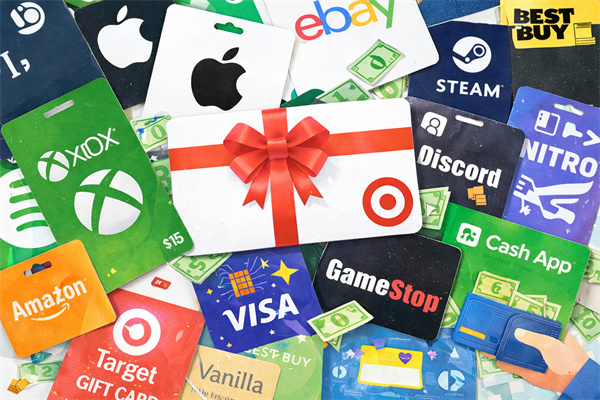
Common ways to convert Google Play Card value to Naira include peer-to-peer (P2P) marketplaces, specialized gift card exchange platforms, and local resellers. P2P platforms connect gift card holders directly with buyers, allowing for negotiation of rates and secure transactions through escrow services. Gift card exchange sites often provide fixed rates based on current market demand, with some offering instant payments to bank accounts or local mobile money wallets in Nigeria. Local resellers, while less formal, can be convenient for small transactions but require careful vetting to avoid scams.
To ensure a safe and smooth conversion, users should follow key steps: first, verify the exact balance of the Google Play Card by checking the card’s code or redeeming a small, non-expiring amount to confirm its validity. Next, choose a reputable platform or reseller—look for user reviews, verified contact information, and secure payment channels (like Nigerian bank transfers or local mobile money services). Before finalizing, agree on a clear rate with no hidden fees, and only share the full card details once payment has been confirmed or secured via an escrow service.
Additional considerations include rate fluctuations—since gift card values depend on supply and demand, rates can change daily, so it’s wise to check current rates from multiple sources before converting. For larger transactions, some platforms may require KYC (Know Your Customer) verification, which typically involves providing a valid ID and proof of address to comply with financial regulations. Users should also avoid sharing sensitive information with untrusted individuals and be cautious of offers that seem too good to be true, as these are often signs of scams.