Trading Apple Card in Nigeria occurs primarily through informal peer-to-peer (P2P) channels, as the card is not officially available in the country. Prospective traders must first understand that the card is tied to a U.S.-based financial ecosystem, which means transactions involve cross-border currency conversion and adherence to both U.S. and Nigerian financial regulations. Before engaging in any trade, individuals should research local laws regarding foreign payment instruments to avoid legal complications, as unregulated transactions may violate existing financial guidelines.
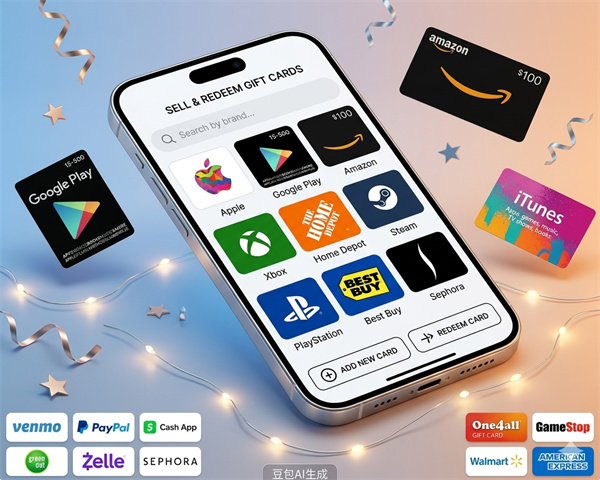
A major challenge in trading Apple Card in Nigeria is verifying the card’s authenticity and validity. Since the card is not widely used locally, there is a high risk of encountering fake or compromised cards, which can lead to significant financial loss. Additionally, currency conversion fees and unfavorable exchange rates often erode the value of the card when converting from U.S. dollars to Nigerian naira. Traders also face limited recourse if issues arise, such as unauthorized charges or card deactivation, as there is no official support or local customer service for the card in Nigeria.
For those considering trading Apple Card in Nigeria, it is critical to prioritize safety and due diligence. This includes only engaging with trusted, verified sellers through reputable P2P platforms that offer some form of escrow service to protect both parties. Traders should also familiarize themselves with the card’s terms and conditions, such as interest rates, payment deadlines, and eligibility requirements, to ensure they understand the obligations associated with using the card. Ultimately, while the card may offer access to international purchases, the risks of unregulated trading often outweigh the potential benefits for many users in Nigeria.
Another aspect to consider is the impact of Nigeria’s foreign exchange controls on such transactions. The Central Bank of Nigeria has specific rules regarding foreign currency transactions, and using an unregistered foreign payment card may trigger scrutiny or penalties. Traders should also be aware that the Apple Card’s functionality is limited in Nigeria—many local merchants do not accept it, and accessing features like cash advances or balance transfers is not feasible. This means the card’s utility for daily local transactions is minimal, further reducing its value for most Nigerian users.